Why Fashion Transparency Is Broken - And What It Will Take to Fix It
Transparency has become one of fashion’s most widely used (and least understood) promises.
It’s a word I saw everywhere while researching and beginning to build Corvin. Nearly every brand claims it in some form. Very few define it. Even fewer actually build around it.
At face value, transparency sounds simple: show where a product comes from, who made it, and how it was produced. But once you begin looking into how garments are actually made, it becomes clear that most brands cannot do this with precision. Not necessarily because they don’t want to, but because the system itself was never designed for it.
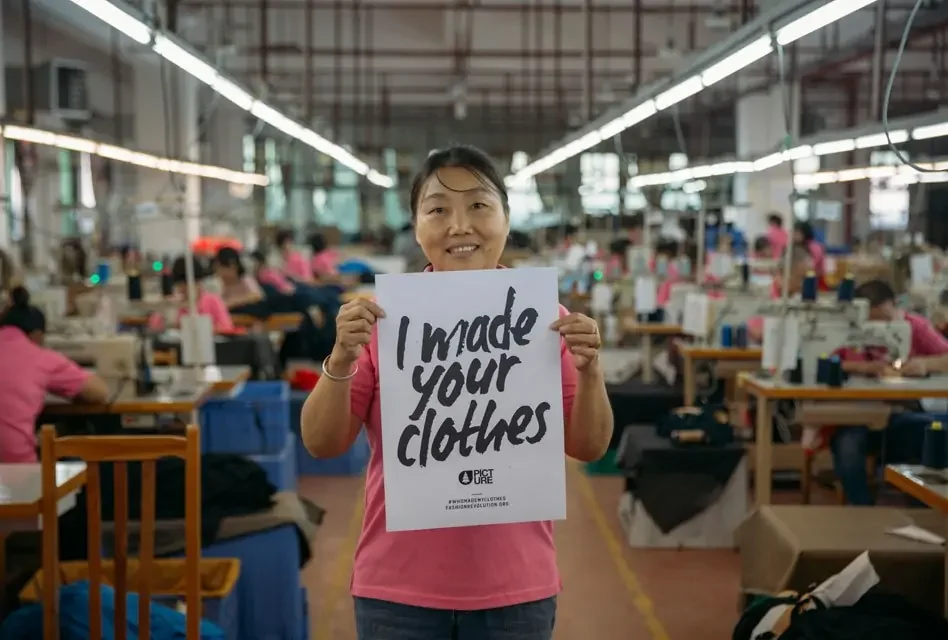
(Ludmon, 2021)
A System Designed Without Visibility
Modern fashion supply chains are not linear. They are fragmented, layered, and often opaque by design.
A single garment may pass through multiple stages:
Raw material sourcing (cotton, wool, synthetics)
Spinning and yarn processing
Textile production
Dyeing and finishing
Final garment assembly
With our globalized world the fashion industry thrives, but it also can complicate things. Each of these steps can take place in different regions, under different ownership structures, with varying levels of oversight.
Even when a brand works directly with a manufacturer, that manufacturer may subcontract parts of the process. By the time a product is finished, visibility beyond the final stage is often limited or entirely lost.
Where Transparency Breaks Down
The industry often categorizes supply chains into tiers:
Tier 1: Final garment assembly
Tier 2: Fabric and material processing
Tier 3: Raw materials and inputs
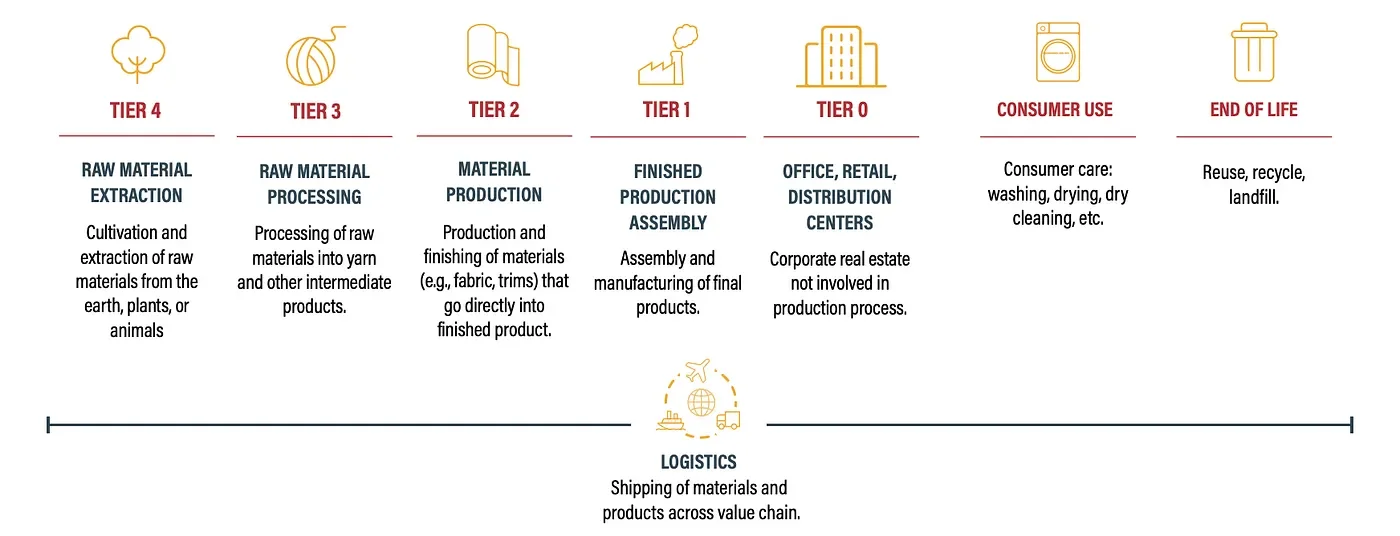
(Bernhardt-Lanier, 2024)
Most brands can identify their Tier 1 partners. Some have partial insight into Tier 2. Very few have consistent, verifiable visibility into Tier 3 and beyond.
As I started mapping out what it would actually take to understand a supply chain end-to-end, this gap became impossible to ignore.
Fast Fashion Impact
Fashion today has been optimized for:
Speed
Cost efficiency
Flexibility at scale
Transparency requires almost the opposite:
Long-term supplier relationships
Fewer intermediaries
Systems that prioritize traceability over convenience
Those priorities don’t naturally coexist.
Transparency vs. Traceability
Transparency is what brands communicate.
Traceability is what they can prove.
Listing a country of origin or naming a factory can create the impression of openness. But without the ability to follow a product from raw material to finished garment with documentation at each stage, transparency becomes selective.
And selective transparency is still a form of opacity.
Why This Matters
This isn’t just about ethics or perception.
A lack of visibility affects the fundamentals of the product itself:
consistency in quality
accountability in production
understanding of environmental impact
When a system can’t be fully seen, it can’t be fully managed.
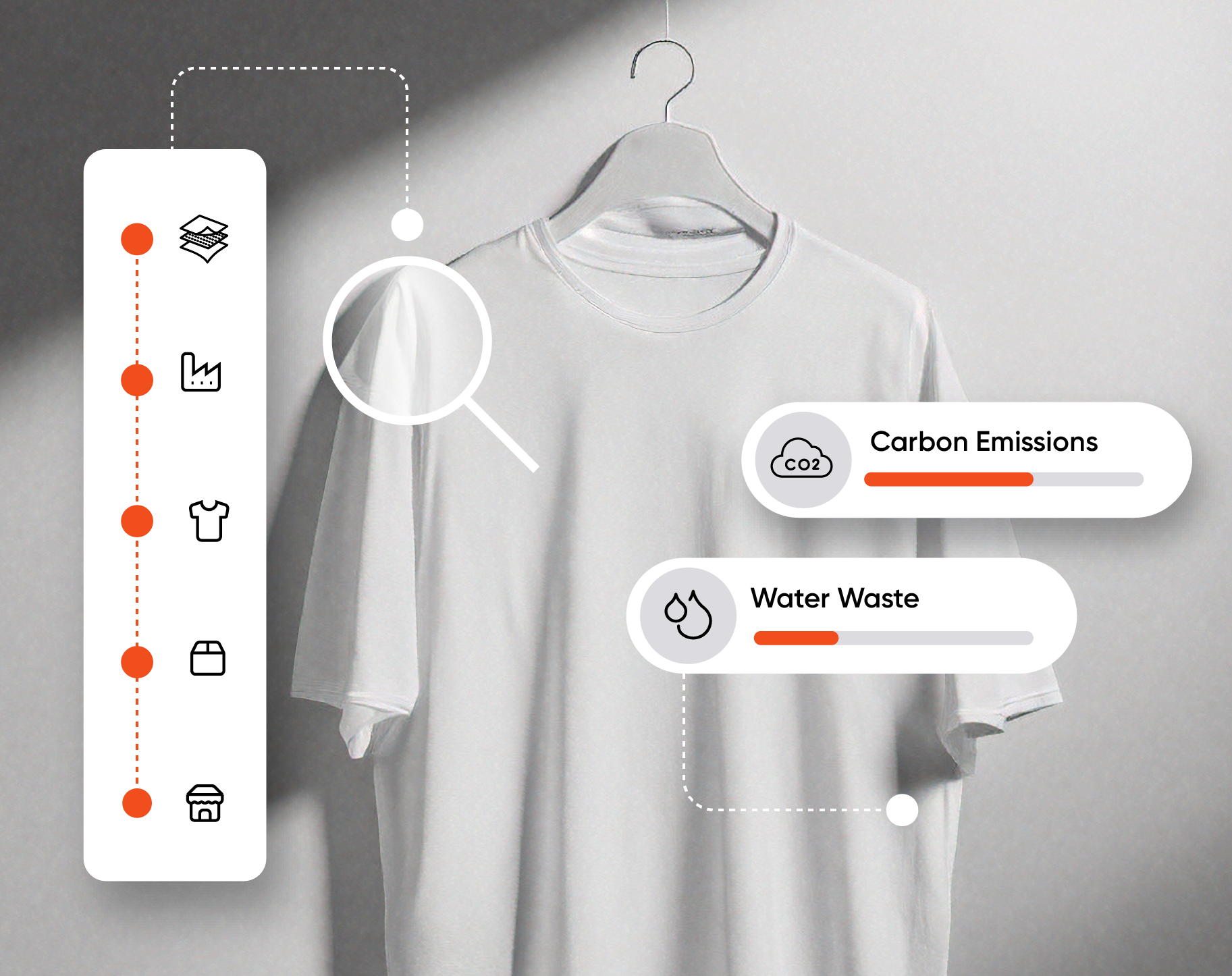
(“Digital supply chains”, 2025)
Rethinking the Starting Point
Most attempts at transparency happen after a brand is already built. It is added onto an existing, complex supply chain.
A more effective approach is to start earlier.
To design for visibility from the beginning:
working with a smaller number of partners
understanding each stage before scaling
building relationships that prioritize clarity over convenience
This doesn’t make the process easier. If anything, it introduces constraints.
But those constraints are what make transparency possible.
Building Differently
Corvin is being built with this in mind. Not as a claim, but as a direction.
Not every part of the process will be perfect or immediately visible. But the intention is to avoid creating a system that has to be explained after the fact.
Because in fashion, what’s hidden is rarely accidental.
And what’s visible is almost always a choice.
References:
Browzwear Solutions Pte Ltd. (2025, May 8). Digital supply chains: Achieving Transparency In Fashion. Browzwear. https://browzwear.com/blog/digital-supply-chains-achieving-transparency-in-fashion
Ludmon, M. (2021, July 16). “lack of progress” on transparency in Supply Chain. Images magazine. https://www.images-magazine.com/lack-progress-transparency-supply-chain/
Thomas Bernhardt-Lanier, T. (2024, November 14). #5 how is a fashion garment made? | by Thomas Bernhardt-Lanier | Medium. Medium. https://medium.com/@thomas_bl/5-how-is-a-fashion-garment-made-930f61d466bb
